



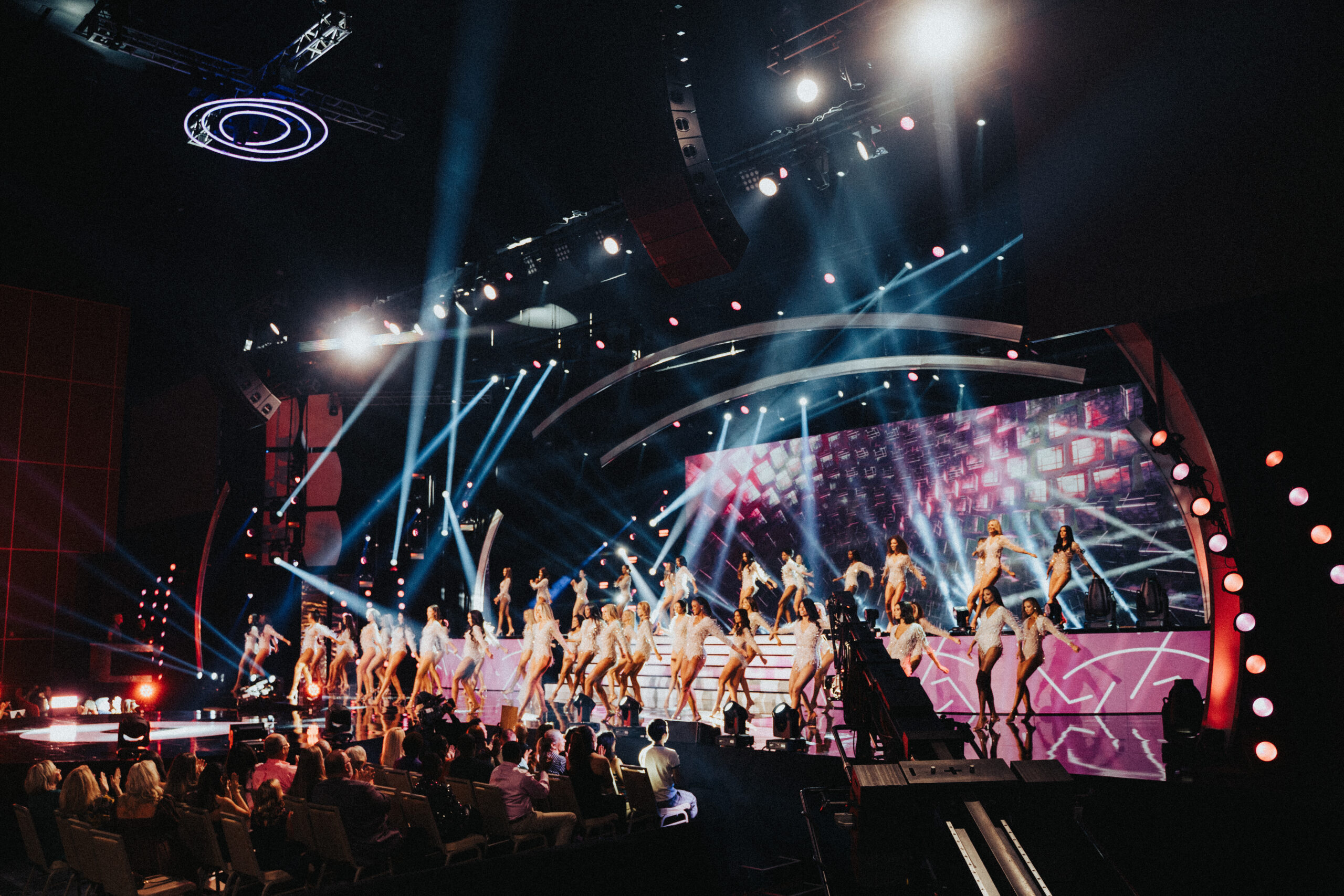
A keynote runs long. A presentation changes minutes before a speaker takes the stage. An unexpected addition to the program requires a different microphone setup, a new lighting look, and an adjustment to the next video cue.
The event is live. The schedule is moving. And someone needs to turn the change into a clear, coordinated response. That is where a true production partnership proves its value.
At Integrity LAVS, we approach lighting, audio, video, and staging as connected parts of one experience. Preparation establishes the foundation. But when the program shifts, the work becomes adapting that preparation to what the event needs now—with clear communication, technical judgment, and a commitment to excellence. For production professionals, event planners, and venue teams, that means having a partner who can help move the event forward, not simply point back to the original plan.
The Plan Is the Starting Point. The Event Is Live.
A production plan gives everyone a shared direction. It establishes the equipment, crew responsibilities, timing, and technical details needed to execute the program.
But a live event is not a static document.
Speakers adjust their remarks. Organizers respond to the room. A recognition segment becomes more personal than expected. A client sees an opportunity to improve a moment and asks, “Can we do this differently?” The right response requires more than technical ability. It requires understanding what the change is meant to accomplish, how it affects the rest of the production, and what can be executed well in the time available.
Our role is to help connect those pieces—so a change in direction becomes an actionable plan rather than a source of confusion.
Real-Time Adaptation Takes a Coordinated Team
Consider a late change to a general session: an additional speaker will join the presenter onstage.
That request sounds straightforward. But it can touch several parts of the production:
- Audio needs to account for another microphone and how it will reach the speaker.
- Lighting may need to accommodate a different stage position.
- Video may need to adjust presentation content or camera framing.
- The show lead needs to communicate the revised sequence.
- The client needs to understand any effect on timing or stage movement.
Responding well means seeing the whole picture, not just completing one isolated task. Our focus is on helping those decisions work together. The goal is not simply to make a change happen. It is to make the change fit the event.
Calm Communication Keeps the Show Moving
When timing gets tight, communication becomes part of the production itself. A client should not have to explain the same change separately to every technical department. A production lead should not have to wonder whether an updated direction reached the people responsible for executing it.
A useful response answers four questions:
- What is changing?
- What does that affect?
- Who needs to act?
- What happens next?
That clarity creates room for confident decisions. It also helps keep a manageable adjustment from becoming a larger disruption.
We believe being a dependable partner means bringing a steady, solutions-focused presence to those conversations. Listen carefully. Clarify the need. Identify a workable path. Communicate it clearly.
Excellence Includes Knowing What Will Work
Being adaptable does not mean saying yes to every request without considering the consequences.
Some changes are straightforward. Others affect safety, equipment capacity, staffing, rehearsal time, or the quality of the audience experience. A trustworthy production partner needs to recognize the difference—and explain it without making the client navigate unnecessary technical complexity.
Sometimes the best answer is, “Yes, here is how we can do that.” Sometimes it is, “We can achieve that goal more effectively another way.” And sometimes it means identifying a limitation before a rushed decision creates a bigger problem.
Our commitment is to help find the strongest workable solution for the circumstances. That means balancing creativity with technical judgment and keeping the event’s priorities in view.
A Partner for the People Carrying the Responsibility
For an event planner, a last-minute change may arrive while several other decisions are already competing for attention.
For a venue team, it may need to work within an established room configuration, access schedule, or facility requirement.
For a production professional, it may require a technical partner who can take direction, coordinate with other departments, and execute without adding friction.
Those responsibilities are different, but the underlying need is the same: a team that understands the stakes and contributes to the solution.
We that responsibility as a partnership. Whether we are working alongside a production team or helping a client bring the full event together, our focus stays on the shared outcome—not just our individual piece of it.
Keep the Experience Moving Forward
The audience does not see every conversation behind the scenes. They experience the result: the next speaker is heard, the right content appears, the room supports the moment, and the program moves forward. That is what real-time adaptability is meant to serve.
As fall programs lead into year-end celebrations, galas, and corporate events, the value of a production partner extends beyond what is listed on an equipment proposal. It includes the judgment, coordination, and responsiveness that support the event as it unfolds. At Integrity LAVS, we prepare for the plan—and stay engaged when the plan changes.
Planning a large event or coordinating production for your venue? Connect with Integrity LAVS to discuss the lighting, audio, video, and staging support your event needs, from the first planning conversation through the final cue.